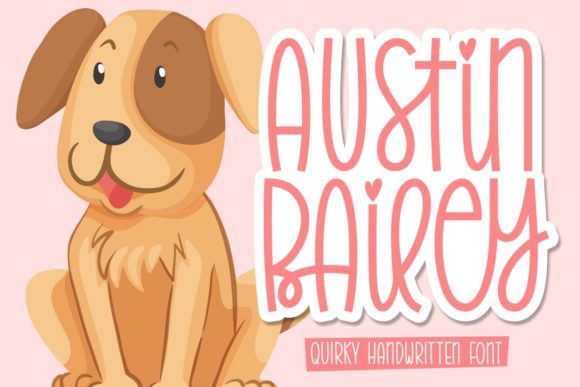
Austin Bailey: A Handwritten Font That Feels Like a Warm Welcome
There’s something special about the way text appears on your products. It can speak before you even say a word, setting the tone for how customers perceive your brand and what they expect from your creations. I recently stumbled upon Austin Bailey, a font that feels like it was born in the cozy corner of a craft room — simple, expressive, and just right for handmade projects.
First Impressions: Designing a Candle Label with Austin Bailey
I was putting together some new candle labels for my shop when I decided to test out Austin Bailey. I had tried a few script fonts already, but many felt too ornate or hard to read at smaller sizes. When I opened Austin Bailey in my design software, I knew immediately it was different. Its thin, handwritten strokes gave it a lightness that made it feel more approachable and less overwhelming than other display fonts. The letters weren’t too wild, yet they carried enough personality to stand out on the shelf.
What really impressed me was how well it worked with minimal design elements. I paired it with a soft watercolor background and a small illustration of a sunflower. The result? A label that looked like it belonged in a boutique, not just a product listing. The charm of Austin Bailey helped elevate my candle packaging into something more thoughtful and memorable.
The Visual Personality of Austin Bailey
This is one of those handwritten fonts that doesn’t shout, but rather invites people in. It has a casual elegance that works beautifully across a wide range of materials. Whether I’m designing a greeting card or a seasonal tag, Austin Bailey adds a touch of warmth without being over the top.
Its adaptability makes it perfect for both product labels and digital assets. For example, when I used it for a set of printable wall art, I loved how it flowed naturally with the layout. The font didn’t distract from the imagery; instead, it complemented it with a soft, modern hand-lettered feel. This kind of typeface is exactly what you need if you want to create designs that are both professional and personal.
From Stationery to Seasonal Creations
Since discovering Austin Bailey, I’ve been using it across various projects. Here are a few places where it’s truly shone:
- Greeting Cards: The friendly vibe of this script amp font makes it ideal for handwritten-style cards. I used it for a line of birthday and thank-you cards and found it easy to pair with watercolor florals or minimalist illustrations.
- Wedding Invitations: I created a sample wedding invitation suite with Austin Bailey as the main font. The subtle variations in stroke width and the natural flow of the letterforms gave it a romantic and intimate feel, which is essential for such an important event.
- Boutique Packaging: My clients love packaging that looks intentional. Using Austin Bailey on gift tags and tissue paper wraps added a handmade authenticity that couldn’t be achieved with standard system fonts.
- Planner Pages: I designed a set of weekly planner layouts using Austin Bailey for headers and motivational quotes. The font’s clarity at smaller sizes ensured that each page remained legible while still feeling creative and inspiring.
- Seasonal Shop Items: From holiday tags to farmhouse-style Christmas signs, Austin Bailey brings a sense of tradition with a modern twist. Its versatility allows it to work equally well in rustic or contemporary settings.
Designing with Purpose: Brand Consistency and Emotional Appeal
One thing I’ve learned through running my own small business is that consistency in typography builds brand recognition. If your customers see the same font style across your packaging, social media posts, and product listings, they’ll start to associate it with your shop’s identity. Austin Bailey helps maintain that visual thread effortlessly.
Using a font like Austin Bailey also adds emotional appeal. It feels like a personal note written by a friend. That connection is powerful in handmade and artisan markets, where authenticity often drives customer loyalty. I’ve noticed that when I use it in my mockups, the overall presentation feels more inviting and genuine.
Readability Tips for Real-World Use
While Austin Bailey is beautiful, it’s also practical. Here are a few tips I’ve picked up while working with it:
- Cutting Machine Projects: For Cricut or Silhouette users, ensure the font size is large enough for the machine to cut accurately. Thin strokes may require a bit more precision, especially when dealing with intricate details or small stickers.
- Product Labels and Stickers: Avoid using Austin Bailey in very small text unless it's part of a decorative flourish. I found that using it in larger point sizes on labels or packaging gives a cleaner look and prevents smudging during printing.
- Printed Cards and Merchandise: Always preview the font on physical mockups before printing. I tested it on mugs and tote bags and was happy with how it translated from screen to fabric. Just make sure to adjust spacing if needed for better alignment.
- Digital Listings and Previews: In online shops, I use Austin Bailey for titles and key phrases in product images. It adds a creative edge to previews without making them cluttered or hard to read.
Font Pairing Ideas for Maximum Impact
To keep things balanced, I often pair Austin Bailey with a clean sans serif or simple serif font. For instance, combining it with a modern sans serif like Montserrat or Lato creates contrast that highlights its charm without clashing. In more traditional designs, I might go with a classic serif like Playfair Display or Georgia for a refined look.
If you’re going all-in on a script aesthetic, pairing it with another script font can add dimension to your design. However, since Austin Bailey is a thinner, more delicate style, it’s best to balance it with a bolder typeface for headings or subtext.
Why Choose Austin Bailey for Your Creative Projects
Choosing the right font can transform your shop’s look and feel. With Austin Bailey, I’ve seen firsthand how a single typeface can bring cohesion to multiple product lines. It’s not just a font — it’s a design element that supports your brand identity in everything from packaging to digital downloads.
Here’s what I appreciate most about it:
- It’s adaptable for both short phrases and longer text when needed (though it shines most in shorter, impactful statements).
- Its included alternates and ligatures give you more creative control without complicating the workflow.
- It supports multiple languages, which is helpful if you ever expand your shop internationally.
- As a commercial font, it’s safe to use in your printables and physical products — always check the licensing agreement to confirm it suits your specific needs.
Putting It All Together: A Practical Approach
When I first downloaded Austin Bailey, I wasn’t sure how it would fit into my workflow. But after testing it on a few real-life items, I realized how much it could do. I used it on a batch of personalized mug designs and found that the font’s readability at medium sizes made it perfect for names and short messages.
Another time, I created a set of farmhouse-style welcome boards for a client. By using Austin Bailey for the main message and a bold display font for the title, I achieved a layered, eye-catching effect that felt both elegant and homey. It’s these little moments that remind me why I love working with premium fonts — they help turn ideas into experiences.
Exploring More Uses for Austin Bailey
Now that I’m comfortable with the font, I’m excited to try it in new ways. I’m currently experimenting with:
- Creating custom SVG-style designs for cutting machines.
- Adding it to product tags for boutique-style items.
- Using it in seasonal templates, like Easter baskets and Christmas ornaments.
- Designing digital printables with matching Script Amp styles for cohesive collections.
Each project has its own challenges, but Austin Bailey consistently delivers a consistent and charming result. It’s the kind of handwritten font that feels like it was crafted just for your brand — no matter what you sell or how you create it.
Final Thoughts
Fonts are more than just letters; they’re part of the story you tell with your products. Whether you're a stationery designer, a print-on-demand seller, or someone who loves crafting unique gifts, Austin Bailey offers a versatile and appealing option for your next creation.
By choosing the right typeface, you can enhance the perceived quality of your work, build stronger connections with your audience, and create designs that feel both authentic and stylish. So, the next time you’re brainstorming a new product or preparing a seasonal collection, consider giving Austin Bailey a try — you might just find your new favorite font.